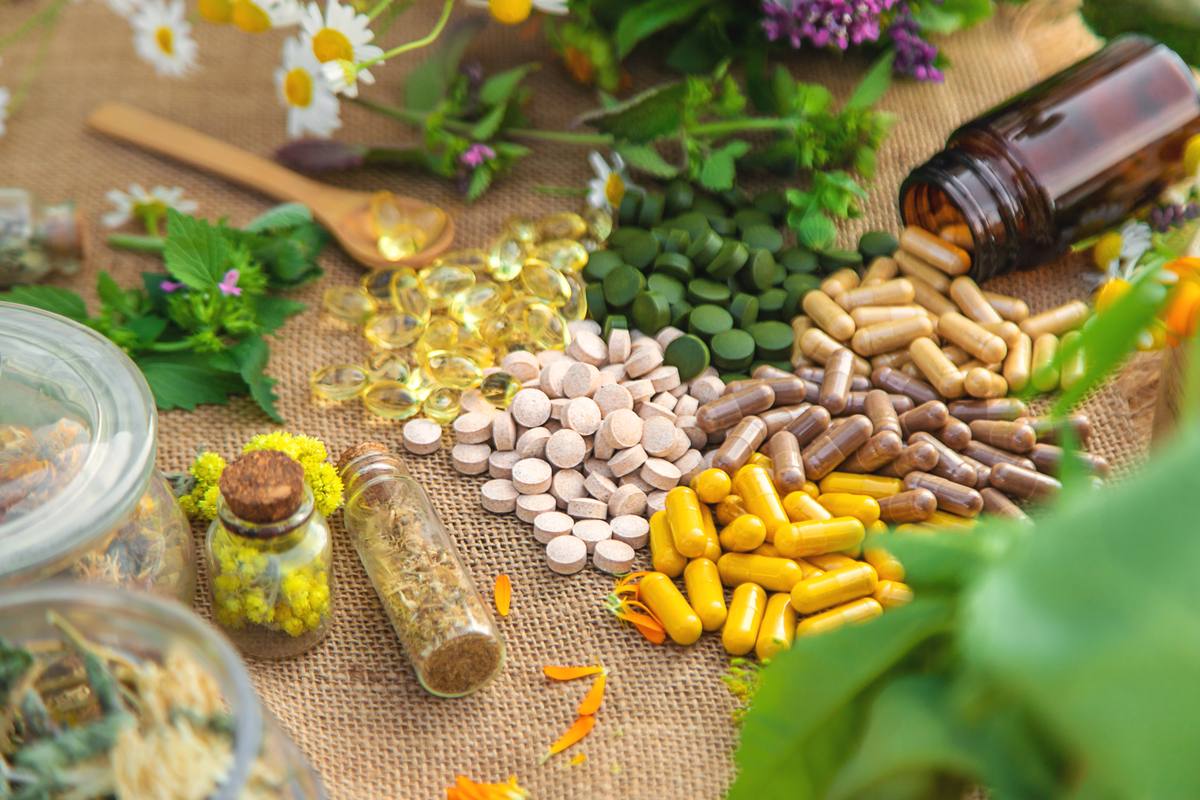
Why Supplement Quality Varies So Dramatically
Unlike pharmaceutical drugs, dietary supplements in the United States do not require pre-market approval from the FDA. Manufacturers are responsible for ensuring their products are safe, but they are not required to demonstrate efficacy before selling. This creates an enormous range of product quality — from rigorously tested formulas manufactured to pharmaceutical standards, to products containing little of their labeled ingredients or potentially harmful contaminants.
The factors that most reliably distinguish high-quality supplements: manufacturing in an FDA-registered, GMP (Good Manufacturing Practice) certified facility; third-party testing and certification; transparent ingredient lists with specific doses (not proprietary blends that obscure how much of each ingredient is actually included); and clinical evidence for the specific ingredients at the specific doses provided.
Tier 1: Supplements With Strong Clinical Evidence
Magnesium (Glycinate or Malate)
Magnesium deficiency affects an estimated 50-68% of American adults due to poor dietary intake and soil depletion. It is involved in over 300 enzymatic reactions including glucose metabolism, insulin signaling, muscle and nerve function, and sleep regulation. Supplementation with well-absorbed forms (glycinate, malate, threonate) has demonstrated benefits for blood sugar, blood pressure, sleep quality, muscle recovery, and anxiety in multiple meta-analyses.
Vitamin D3 with K2
Vitamin D deficiency affects approximately 40% of US adults. Vitamin D3 functions more like a hormone than a vitamin — it regulates immune function, inflammation, muscle strength, bone density, mood, and insulin sensitivity. The combination with K2 (MK-7 form) is important because K2 directs calcium absorbed with D3's help into bone and teeth rather than soft tissues and arteries.
Omega-3 Fatty Acids (EPA/DHA)
Long-chain omega-3s from fish oil or algae oil have the strongest evidence of any supplement for cardiovascular protection, anti-inflammatory effects, and cognitive support. High-quality trials using therapeutic doses (2-4g/day EPA+DHA) show significant reductions in triglycerides, inflammation markers, and cardiovascular event risk. The ratio of omega-6 to omega-3 in the modern diet is approximately 15-20:1; the optimal ratio is closer to 4:1.
Berberine
Berberine's clinical evidence for blood sugar management is exceptionally strong — it activates AMPK (a key metabolic regulator), improves insulin sensitivity, reduces hepatic glucose production, and has demonstrated HbA1c reductions comparable to metformin in head-to-head trials. It also has cardiovascular and gut microbiome benefits. It is one of the most clinically validated natural metabolic compounds available.
Probiotics (Specific Strains for Specific Conditions)
Not all probiotics are equivalent — the evidence is strain-specific and condition-specific. Lactobacillus rhamnosus GG has the strongest evidence for diarrhea prevention. L. crispatus and L. acidophilus have evidence for urinary and vaginal microbiome health. L. plantarum has evidence for IBS symptom reduction. Saccharomyces boulardii for antibiotic-associated diarrhea. Choosing a probiotic requires matching strain to condition, not just buying "a probiotic."
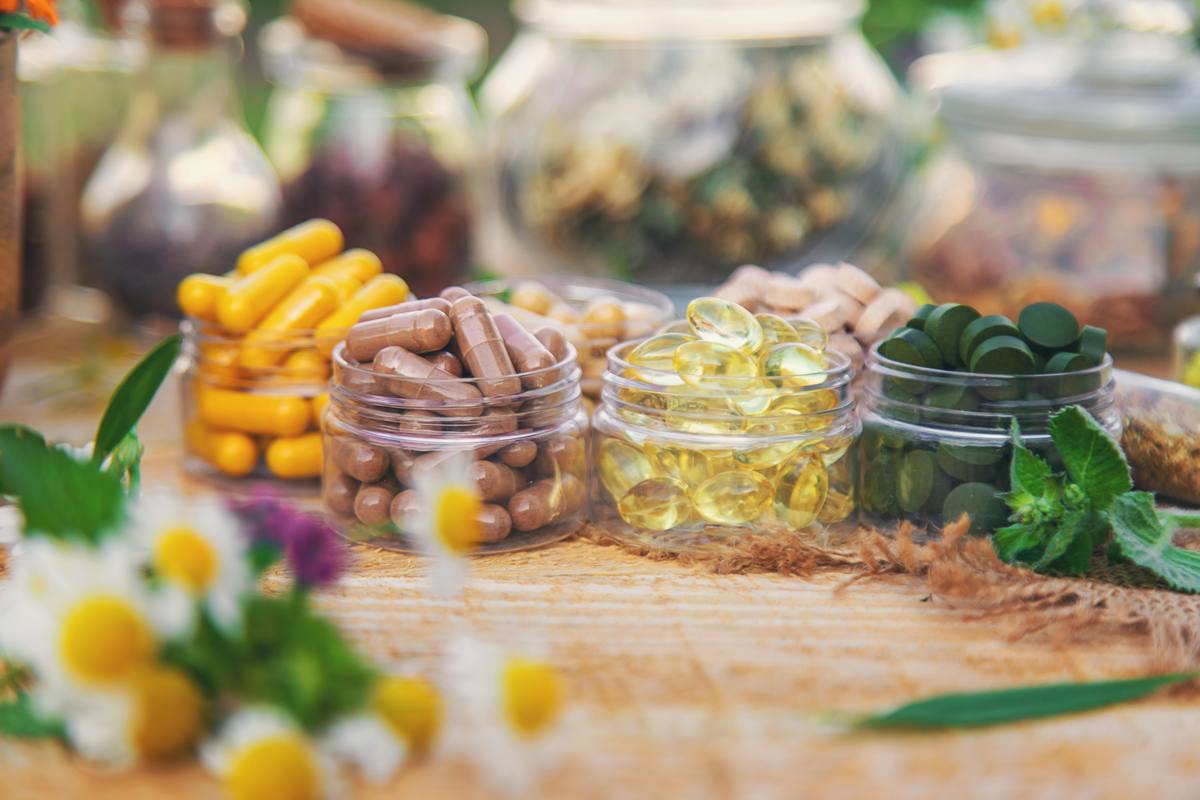
High-quality natural supplements use bioavailable forms of each ingredient at clinically relevant doses.
Tier 2: Promising Evidence, Good Supporting Data
Chromium Picolinate
Chromium enhances insulin signaling by activating the insulin receptor. Multiple meta-analyses show significant reductions in fasting blood glucose and HbA1c in people with impaired glucose tolerance. It is one of the most accessible and affordable blood sugar support supplements with consistent evidence behind it.
White Mulberry Leaf Extract
Contains DNJ compounds that inhibit alpha-glucosidase, slowing carbohydrate digestion and reducing post-meal glucose spikes. Clinical trials show significant reductions in post-meal glucose when taken with meals. Particularly useful for people who consume moderate to high carbohydrate diets.
Ashwagandha (KSM-66 or Sensoril forms)
Multiple RCTs using standardized ashwagandha extracts show significant reductions in cortisol, anxiety, and perceived stress — with secondary benefits for sleep quality, testosterone in men, and thyroid function. The evidence for the standardized KSM-66 extract is the most consistent.
Coenzyme Q10 (Ubiquinol form)
CoQ10 is essential for mitochondrial energy production and is a powerful antioxidant. Statins (cholesterol-lowering drugs) significantly deplete CoQ10 levels. Supplementation with the ubiquinol form (better absorbed than ubiquinone) has evidence for improving energy, reducing statin-associated muscle symptoms, and supporting cardiovascular function.
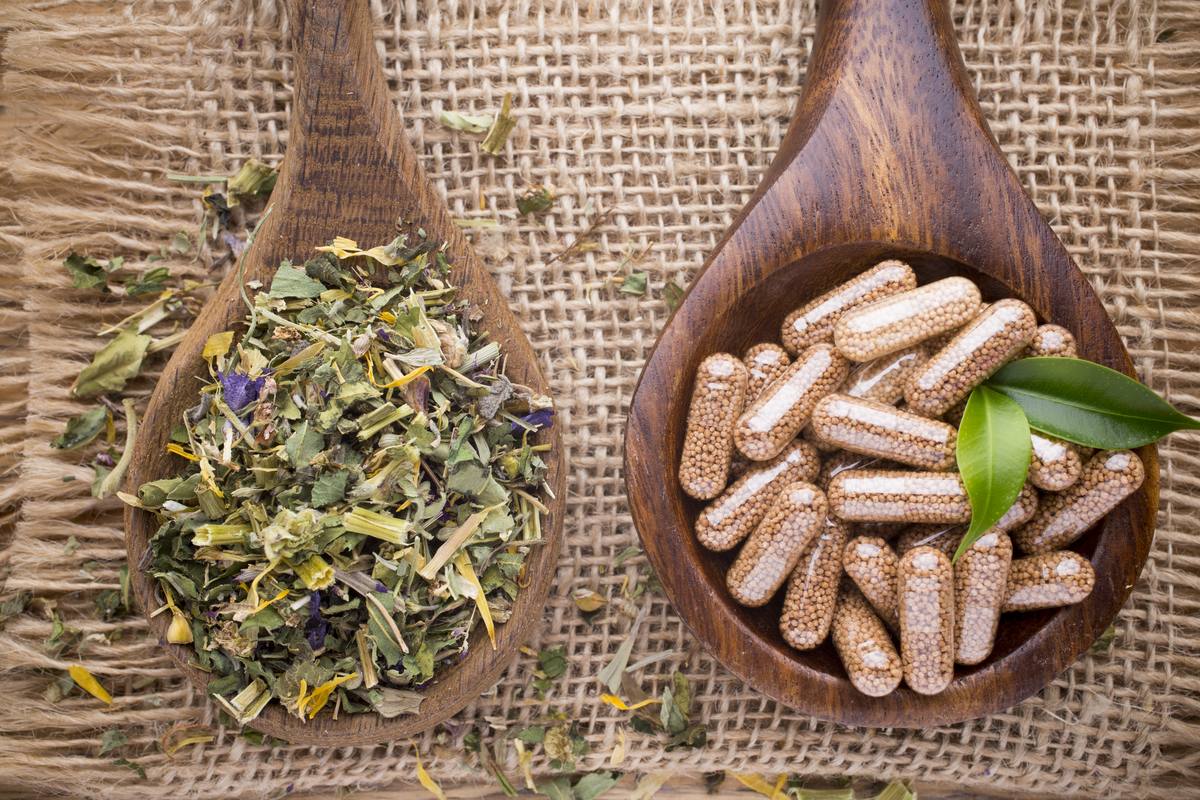
The best supplement formulas combine multiple evidence-referenced botanicals that work through complementary pathways.
Tier 3: Overhyped — The Evidence Doesn't Match the Marketing
Detox and Cleanse Products
The human body has highly sophisticated detoxification systems — the liver, kidneys, lymphatic system, and gut. There is no credible clinical evidence that any commercially available "detox" or "cleanse" product meaningfully enhances these processes. The liver detoxifies 24 hours a day; it does not need a three-day juice fast to reset. The marketing language is compelling, but the evidence is essentially absent.
Most "Fat Burner" Products
The vast majority of thermogenic and fat-burning supplement products produce effects too small to be clinically meaningful — typically 100-200 additional calories burned per day, offset by increased appetite. Many contain high doses of caffeine plus stimulant compounds that increase heart rate and blood pressure without producing lasting metabolic changes. The risks generally outweigh the modest, temporary benefits.
Collagen Supplements for Specific Structural Benefits
Collagen is digested into amino acids before absorption — it doesn't selectively travel to skin, joints, or other target tissues. The amino acid profile of collagen (high in glycine, proline, hydroxyproline) may provide some connective tissue support, but the evidence for specific structural benefits (reduced wrinkles, improved joint cartilage) is much weaker than marketing suggests. High-quality protein from any source provides the same amino acids more cost-effectively.
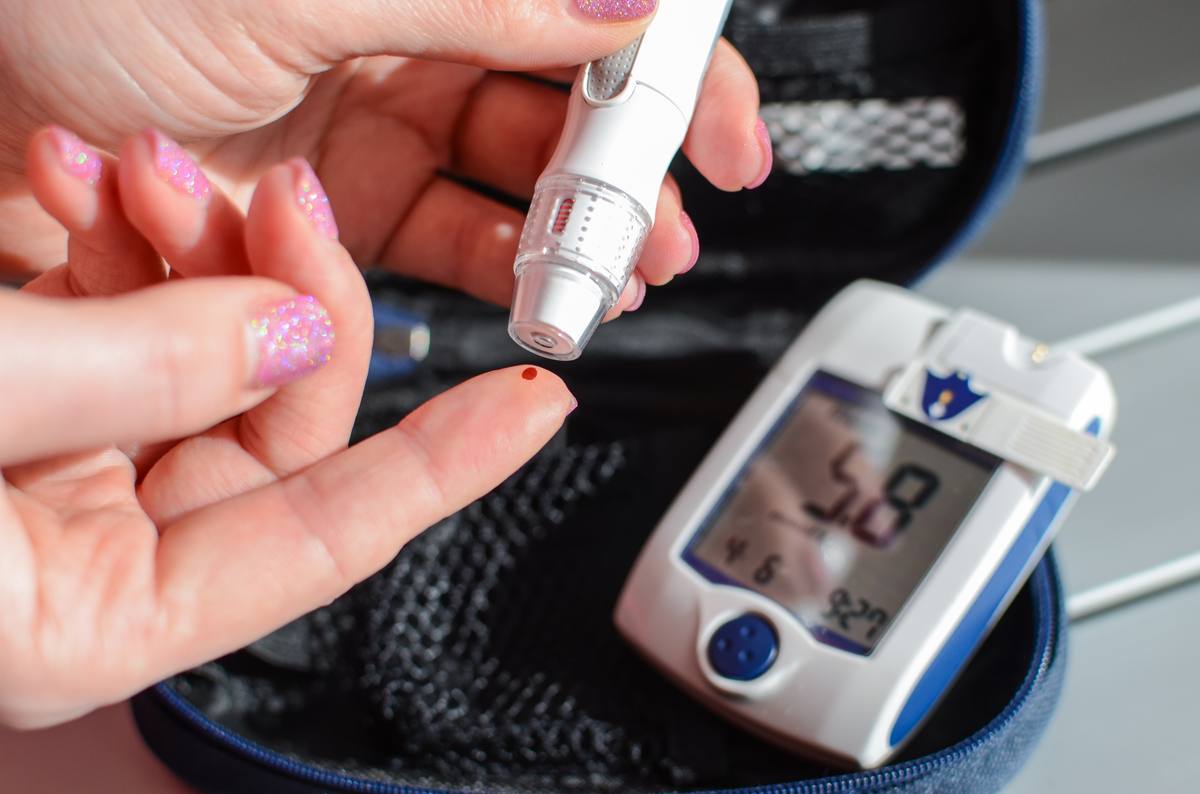
Blood sugar supplements with the strongest evidence combine Chromium, Berberine, and botanical extracts.
How to Choose Supplement Quality
Beyond the evidence for specific ingredients, these practical criteria help identify higher-quality supplement manufacturers:
- FDA-registered, GMP-certified manufacturing facility — the baseline standard for quality control
- Third-party testing — NSF, USP, or Informed Sport certification verifies label accuracy and absence of contaminants
- Transparent labeling — specific doses for each ingredient, not "proprietary blends" that obscure quantities
- Meaningful satisfaction guarantee — 60-90 days signals manufacturer confidence
- No extreme claims — legitimate supplements support health; they don't cure diseases or guarantee dramatic transformations