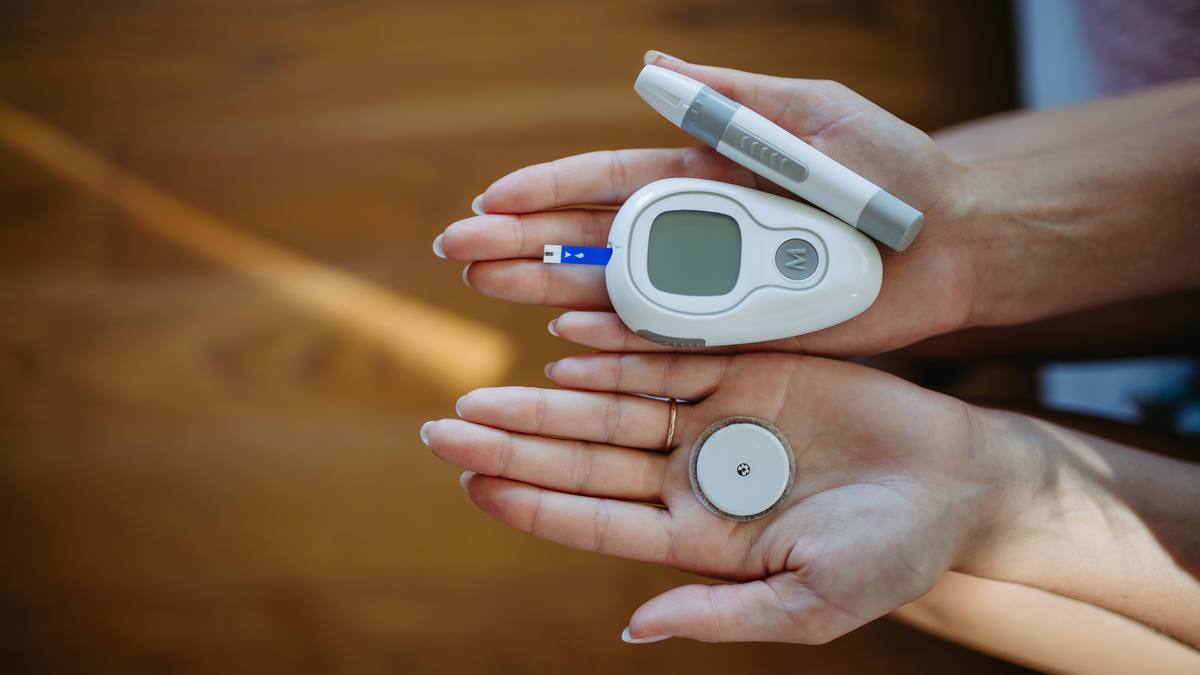
Understanding Blood Sugar: The Basics You Actually Need
Blood sugar — or blood glucose — is the amount of sugar circulating in your bloodstream at any given moment. Every time you eat carbohydrates, your digestive system breaks them down into glucose, which enters the bloodstream. Your pancreas then releases insulin, a hormone that acts like a key to unlock your cells so they can absorb that glucose for energy.
When this system works well, glucose levels rise after a meal and return to a normal range within two hours. When it doesn't work well — either because the pancreas doesn't produce enough insulin or because cells stop responding to it efficiently — glucose lingers in the bloodstream. Over time, chronically elevated glucose damages blood vessels, nerves, and organs.
The range that matters: A fasting blood glucose below 100 mg/dL is considered normal. Between 100 and 125 mg/dL is prediabetes. At 126 mg/dL or above on two tests, diabetes is diagnosed. But many functional medicine practitioners consider optimal metabolic health to begin below 90 mg/dL fasting — giving you a meaningful buffer before problems develop.
Why Blood Sugar Becomes Harder to Manage After 40
Age is one of the most significant — and least discussed — risk factors for blood sugar dysregulation. Multiple physiological changes converge in your 40s and 50s to make glucose management progressively more challenging, regardless of your diet.
Declining Muscle Mass
Skeletal muscle is the body's primary site for glucose disposal — accounting for up to 80% of insulin-stimulated glucose uptake. After age 30, adults lose approximately 3-5% of muscle mass per decade without active resistance training. Less muscle means less glucose can be absorbed after meals, which means more stays in the bloodstream.
Reduced Insulin Sensitivity
As we age, cells progressively become less responsive to insulin — a phenomenon called insulin resistance. The pancreas compensates by producing more insulin, but this creates a cascade of metabolic problems including increased fat storage, inflammation, and eventually, reduced insulin production capacity.
Hormonal Changes
In women, the drop in estrogen during perimenopause and menopause directly impairs insulin sensitivity. In men, declining testosterone has similar metabolic effects. These hormonal shifts are a major reason blood sugar issues accelerate so dramatically in middle age.
Sleep Deterioration
Sleep quality typically declines with age, and even a single night of poor sleep can raise fasting glucose by 10-15 mg/dL in otherwise healthy adults. Chronic sleep restriction significantly impairs insulin sensitivity — comparable in some studies to gaining 20 pounds of body fat.

A protein-forward balanced meal helps maintain steady glucose throughout the day.
The 8 Most Effective Dietary Strategies
Diet is the most powerful tool for blood sugar management — but the details matter enormously. It's not just about eating "less sugar." Here are the strategies with the strongest evidence behind them.
1. Prioritize Fiber at Every Meal
Dietary fiber — particularly soluble fiber — dramatically slows glucose absorption by forming a viscous gel in the digestive tract. This converts rapid glucose spikes into gradual, manageable rises. Foods richest in soluble fiber include oats, beans, lentils, flaxseed, apples, and vegetables like Brussels sprouts and asparagus. Aim for at least 25-35 grams of total fiber daily.
2. Rethink Carbohydrates — Don't Eliminate Them
The goal is not to remove carbohydrates entirely but to upgrade them. Refined carbohydrates (white bread, white rice, sugary cereals) digest rapidly and cause sharp glucose spikes. Unrefined carbohydrates (sweet potatoes, legumes, whole grains, most vegetables) digest slowly and produce much gentler glucose responses. The glycemic index and glycemic load are useful frameworks for comparing foods.
3. Front-Load Protein at Breakfast
Starting the day with 25-35 grams of protein at breakfast has a remarkable stabilizing effect on blood sugar throughout the entire day. Protein stimulates the release of GLP-1 (the same hormone pathway targeted by popular weight loss drugs), slows gastric emptying, and reduces the insulin response to subsequent meals. Eggs, Greek yogurt, cottage cheese, and lean meats are practical options.
4. Use the "Food Order" Technique
The sequence in which you eat foods at a meal significantly affects your glucose response — even with the identical foods and quantities. Research from Cornell University showed that eating vegetables and protein first, followed by carbohydrates, reduces post-meal glucose spikes by up to 73% compared to eating carbohydrates first. This is one of the easiest and most impactful changes you can make immediately.
5. Apple Cider Vinegar Before Meals
One to two tablespoons of apple cider vinegar (diluted in water) before high-carbohydrate meals has been shown in multiple studies to reduce post-meal glucose by 20-35%. The acetic acid appears to inhibit enzymes that digest starch and improve glucose uptake in muscle tissue. It's a simple, low-cost intervention with meaningful evidence behind it.
6. Reduce Ultra-Processed Food
Ultra-processed foods — defined as products made primarily from industrial substances extracted from foods rather than whole foods — drive blood sugar dysregulation through multiple mechanisms: they're rapidly digested, stripped of fiber and micronutrients, and contain additives that disrupt the gut microbiome. Even when calorie-matched, ultra-processed diets raise blood sugar more than whole food diets.
7. Healthy Fats Improve Insulin Sensitivity
Monounsaturated and omega-3 fatty acids improve cell membrane fluidity and insulin receptor function. Adding avocado, olive oil, fatty fish, walnuts, and flaxseed to your diet supports better glucose disposal. Importantly, pairing fat with carbohydrates slows digestion and reduces glucose spikes — a whole avocado with toast produces a much gentler glucose response than toast alone.
8. Limit Liquid Calories and Alcohol
Liquid calories — including fruit juice, sports drinks, sweetened coffee, and alcohol — are among the fastest and most dramatic contributors to blood sugar spikes because they lack the fiber and protein that slow digestion. Even 100% fruit juice causes comparable glucose spikes to soda in most people. Alcohol also disrupts overnight blood sugar regulation and impairs the liver's glucose management functions.

Upgrading carbohydrate quality — not eliminating them — is the most sustainable dietary strategy.
Exercise: The Most Underrated Blood Sugar Tool
Physical activity is arguably the most powerful non-dietary intervention for blood sugar management — and its effects are almost immediate. Here's what the evidence shows about different types of exercise and their specific benefits.
Post-Meal Walks (The Single Best Habit)
A 10-15 minute walk within 30 minutes of eating has been shown in multiple clinical trials to reduce post-meal glucose spikes by 20-30%. The mechanism is elegant: walking activates muscle contractions that pull glucose directly from the bloodstream into muscle cells through a pathway that doesn't require insulin. This is one of the most accessible and evidence-based interventions available — it requires no equipment, costs nothing, and works every single time.
Resistance Training
Strength training is uniquely powerful for long-term blood sugar management because it builds muscle mass — the body's primary glucose disposal organ. Even two sessions per week of moderate resistance training produces significant improvements in insulin sensitivity within 6-8 weeks. The benefits persist for 24-72 hours after each session.
High-Intensity Interval Training (HIIT)
HIIT — alternating short bursts of intense effort with recovery periods — produces disproportionately large improvements in insulin sensitivity relative to time invested. Just 20 minutes of HIIT three times per week has been shown to improve metabolic markers as much as 45 minutes of moderate cardio five times per week in some studies.
| Exercise Type | Immediate Effect | Long-Term Benefit | Time Required |
|---|---|---|---|
| Post-meal walk | ↓ 20-30% glucose spike | Habit formation | 10-15 min/meal |
| Resistance training | ↓ glucose 24-72 hrs | Builds muscle mass | 30-45 min, 2-3x/wk |
| HIIT | Rapid glucose depletion | High insulin sensitivity | 20 min, 3x/wk |
| Moderate cardio | Steady glucose use | Cardiovascular health | 30-45 min, 3-5x/wk |

Regular glucose monitoring helps you understand how your body responds to food and exercise.
Sleep, Stress, and Blood Sugar: The Overlooked Connection
Sleep Quality Is Non-Negotiable
The relationship between sleep and blood sugar is bidirectional and profound. Poor sleep raises cortisol levels, which directly elevates blood glucose. It increases hunger hormones (ghrelin) and decreases satiety hormones (leptin), driving cravings for high-sugar, high-carbohydrate foods. And it reduces insulin sensitivity in muscle and fat tissue. Seven to nine hours of quality sleep is not a luxury for metabolic health — it's a requirement.
Practical sleep hygiene for blood sugar: keep your bedroom cool (65-68°F), eliminate blue light exposure for 60-90 minutes before bed, avoid alcohol within 3 hours of sleep (despite its relaxing effect, alcohol fragments sleep architecture and raises overnight glucose), and consider a small protein-rich snack before bed to prevent overnight glucose drops that disturb sleep.
Chronic Stress Raises Blood Sugar Directly
The stress response evolved for short-term threats — it floods the bloodstream with glucose to fuel the muscles needed to fight or flee. In the modern world, chronic psychological stress produces continuous low-grade cortisol release that keeps blood sugar persistently elevated without any physical activity to use it. Stress management is therefore not optional for blood sugar health.
Evidence-based stress reduction techniques with demonstrated blood sugar benefits include diaphragmatic breathing (5-minute sessions reduce cortisol measurably), progressive muscle relaxation, regular mindfulness meditation (even 10 minutes daily shows effects in 8 weeks), and time in nature.

Quality sleep is one of the most powerful — and most overlooked — tools for blood sugar regulation.
Key Nutrients and Natural Compounds That Support Blood Sugar
Beyond general diet quality, certain specific nutrients have strong evidence for blood sugar support and are frequently deficient in adults with elevated glucose levels.
Magnesium
Magnesium is involved in over 300 enzymatic reactions, including those governing insulin secretion and glucose metabolism. Studies consistently show that adults with prediabetes and type 2 diabetes have significantly lower magnesium levels than healthy controls. Foods richest in magnesium include dark leafy greens, pumpkin seeds, black beans, and dark chocolate. Supplemental magnesium glycinate or malate is well-absorbed and well-tolerated.
Chromium
Chromium is a trace mineral that enhances insulin's effectiveness by activating the insulin receptor. Multiple meta-analyses have found that chromium supplementation significantly reduces fasting blood glucose and HbA1c in people with impaired glucose tolerance. The most bioavailable forms are chromium picolinate and chromium polynicotinate.
Berberine
Berberine — a compound found in several plants including barberry and goldenseal — has demonstrated blood sugar lowering effects comparable to metformin in several head-to-head studies. It works primarily by activating AMPK, an enzyme that regulates cellular energy metabolism and improves insulin sensitivity. It also positively remodels the gut microbiome toward strains associated with better metabolic health.
Cinnamon
Ceylon cinnamon (distinct from the more common Cassia variety) contains compounds that mimic insulin and improve glucose uptake in cells. Studies using 1-6 grams per day have shown reductions in fasting blood glucose, post-meal glucose spikes, and HbA1c. It's one of the most accessible and well-researched natural blood sugar aids.
White Mulberry Leaf Extract
White mulberry leaf extract contains compounds called DNJ (1-deoxynojirimycin) that inhibit alpha-glucosidase, an enzyme that breaks down carbohydrates in the intestine. By slowing carbohydrate digestion, it reduces the rate of glucose entry into the bloodstream after meals — acting like a natural speed bump for glucose spikes. It's one of the most effective botanical interventions for post-meal blood sugar management.
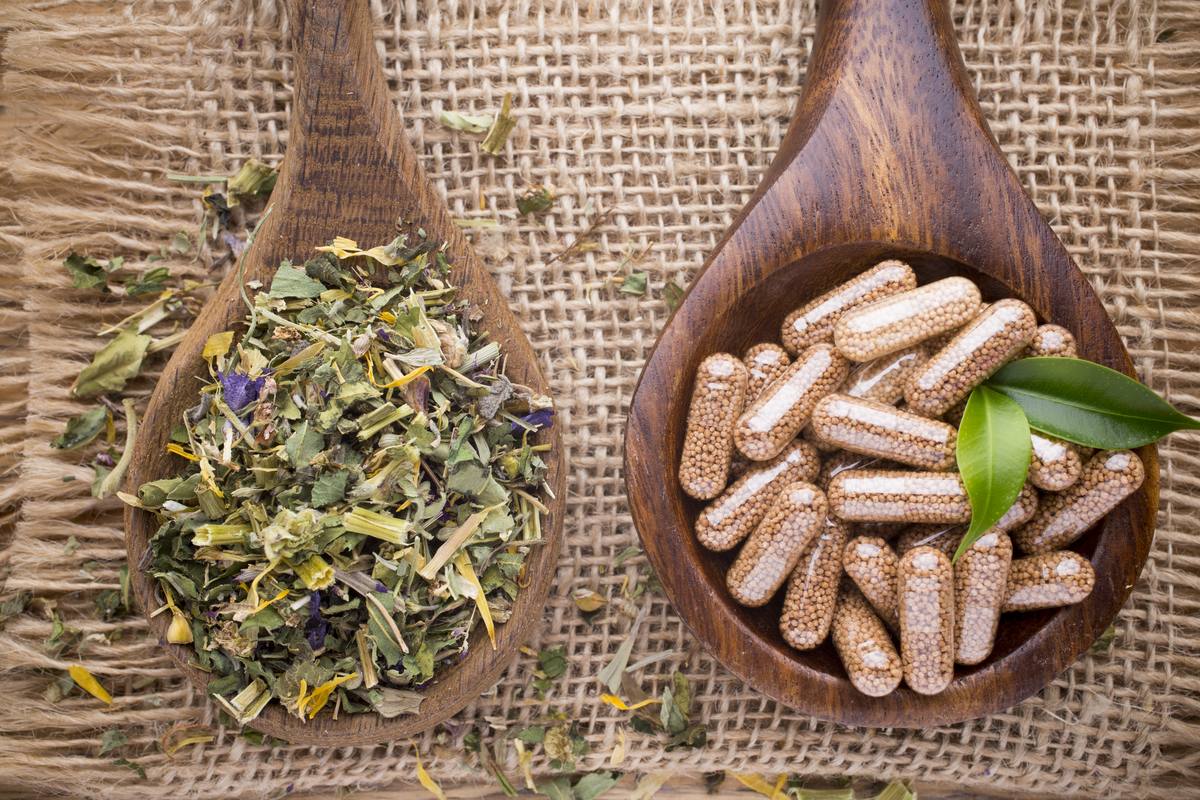
Several botanical compounds have clinical evidence for supporting healthy glucose metabolism.
Building a Realistic Daily Routine for Blood Sugar Support
The challenge with blood sugar management isn't knowing what to do — it's building habits that last. Here's a practical daily framework that integrates the most impactful strategies without requiring a complete lifestyle overhaul.
Morning (First 60 Minutes After Waking)
Drink 16 oz of water immediately upon waking — overnight dehydration concentrates blood glucose. Eat a protein-forward breakfast within 60-90 minutes of waking: 25-35 grams of protein with moderate healthy fat and low-glycemic carbohydrates. Avoid starting the day with high-sugar foods, even "healthy" ones like fruit smoothies or granola, which cause sharp morning glucose spikes that set an unstable trajectory for the rest of the day.
After Each Meal
Take a 10-15 minute walk within 30 minutes of finishing each meal. This single habit, applied consistently, may be the highest-impact blood sugar intervention available. If walking after every meal isn't practical, prioritize the post-lunch walk — the afternoon metabolic dip makes this the highest-value window.
Evening
Make dinner the smallest carbohydrate meal of the day — insulin sensitivity is typically lowest in the evening, meaning the same amount of carbohydrates at dinner raises blood sugar more than the same amount at breakfast. Finish eating at least 3 hours before bed. Begin winding down with dim lighting and screen reduction 60-90 minutes before your target sleep time.
When to Consider Natural Supplementation
Diet and lifestyle interventions should always be the foundation of blood sugar management. But for many adults — particularly those 40 and older — targeted supplementation can meaningfully support these efforts by filling nutritional gaps, providing botanical compounds difficult to obtain from food alone, and supporting the specific metabolic pathways most affected by aging.
The most effective blood sugar supplements combine multiple evidence-referenced ingredients that work through complementary mechanisms — rather than relying on a single compound. Key ingredients to look for include Chromium, Berberine, White Mulberry, Bitter Melon, Cinnamon, and Magnesium working synergistically.
Quality matters enormously in supplementation. Look for products manufactured in FDA-registered, GMP-certified facilities, with transparent ingredient lists and clinically relevant dosages — and always verify a meaningful satisfaction guarantee before purchasing.