
The Foundation: Metabolic Health Is the Goal
Rather than focusing on weight loss, calorie counting, or following a specific named diet, the most useful framework is optimizing metabolic health. Metabolic health is defined by five markers: fasting blood glucose, blood pressure, triglycerides, HDL cholesterol, and waist circumference. A shocking statistic: only about 12% of American adults are considered metabolically healthy by all five criteria. The dietary principles in this guide target all five simultaneously.
Macronutrients: Getting the Proportions Right
Protein: The Most Important Macronutrient After 40
Protein is underconsumed by most adults, particularly women and adults over 50. Beyond building muscle, dietary protein: suppresses appetite more powerfully than fat or carbohydrates, requires more energy to digest (higher thermic effect), supports immune function, provides raw materials for neurotransmitter synthesis, and stabilizes blood sugar by slowing gastric emptying. Target 25-40 grams per meal from high-quality sources including eggs, meat, fish, dairy, and legumes.
Carbohydrates: Quality Over Quantity
The research does not support eliminating carbohydrates for most people — but it strongly supports upgrading them. The key distinction is between refined carbohydrates (stripped of fiber, nutrients, and eaten in isolation) and whole food carbohydrates (intact fiber, micronutrients, slower digestion). Vegetables, legumes, fruit, and whole grains are metabolically very different from bread, white rice, and sugar despite all being "carbohydrates."
Fats: Rehabilitating the Most Misunderstood Macronutrient
The low-fat dietary guidelines of the 1980s and 1990s have been substantially revised by subsequent research. Dietary fat does not cause heart disease in the context of a whole food diet. Monounsaturated fats (olive oil, avocados, nuts) and omega-3 polyunsaturated fats (fatty fish, flaxseed, walnuts) are actively protective for cardiovascular, brain, and metabolic health. The fats most consistently associated with harm are industrial trans fats (now largely banned) and excess omega-6 vegetable oils in the context of low omega-3 intake.
The Gut Microbiome: The Organ Nutrition Forgot
The gut microbiome — the trillions of bacteria, fungi, and other microorganisms inhabiting the digestive tract — is now recognized as a crucial organ in metabolic regulation. It produces short-chain fatty acids that regulate insulin sensitivity, influences appetite hormones, modulates inflammation, metabolizes estrogen, and even affects neurotransmitter production. The health of the microbiome is determined primarily by diet.
The foods most consistently associated with a healthy, diverse microbiome: fermented foods (yogurt, kefir, kimchi, sauerkraut, miso), a wide variety of plant foods (30+ different species per week produces the best outcomes), prebiotic fibers (garlic, onions, leeks, asparagus, green bananas), and polyphenol-rich foods (berries, dark chocolate, green tea, olive oil). The foods most consistently associated with microbiome disruption: ultra-processed foods, artificial sweeteners, excess alcohol, and frequent antibiotic use.
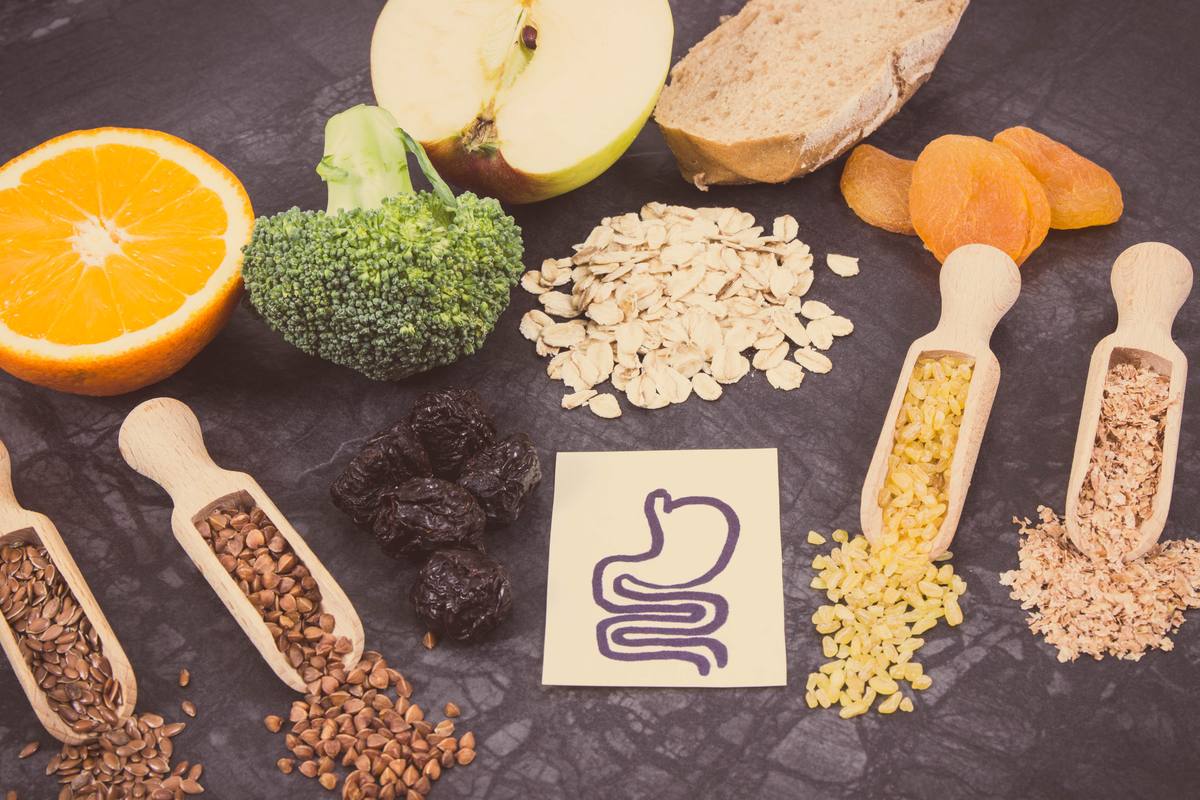
The gut microbiome is now recognized as a primary regulator of metabolic health, immune function, and even mood.
Anti-Inflammatory Eating: A Framework That Unifies Nutrition Science
Chronic low-grade inflammation is the common thread underlying most age-related diseases: cardiovascular disease, type 2 diabetes, Alzheimer's, and many cancers. Dietary patterns that reduce inflammation consistently produce better metabolic, cognitive, and longevity outcomes than those that don't — regardless of their macronutrient proportions.
The most pro-inflammatory dietary components: refined sugars and processed carbohydrates, industrial seed oils (corn, soybean, sunflower in excess), red and processed meat in large quantities, alcohol, and ultra-processed foods. The most anti-inflammatory: colorful vegetables and fruits (polyphenols and carotenoids), fatty fish (omega-3s), olive oil (oleocanthal has comparable anti-inflammatory effects to ibuprofen at culinary doses), nuts and seeds, and fermented foods.

The estrobolome — gut bacteria that metabolize estrogen — makes microbiome health particularly relevant for women.
Meal Timing and Intermittent Fasting
When you eat matters as well as what you eat. The circadian system — which regulates biological processes across a 24-hour cycle — applies to metabolism as well as sleep. Insulin sensitivity is highest in the morning and declines across the day, meaning the same meal produces a significantly higher blood sugar response at 8 PM than at 8 AM. Eating earlier in the day, avoiding large late dinners, and maintaining consistent meal times all improve metabolic outcomes independently of food composition.
Time-restricted eating (TRE) — consuming all calories within a consistent 8-10 hour window — has demonstrated benefits for metabolic health, weight management, blood pressure, and inflammatory markers in multiple trials. The most metabolically beneficial window appears to be early in the day (e.g., 7am-5pm or 8am-6pm) rather than late (noon-8pm), though any consistent time restriction appears to offer advantages over unrestricted eating.

Garlic, broccoli, and colorful vegetables contain polyphenols with powerful anti-inflammatory effects.
Hydration: The Most Overlooked Nutritional Factor
Even mild dehydration (1-2% of body weight) measurably impairs cognitive performance, increases fatigue, reduces exercise performance, and elevates cortisol levels. Chronic mild dehydration is associated with higher rates of kidney stones, urinary tract infections, and constipation. And dehydration concentrates blood glucose — making hydration directly relevant to metabolic health.
The widely cited "8 glasses per day" figure has no specific scientific basis — requirements vary significantly by body size, activity level, climate, and dietary sodium. A more practical guideline: urine should be pale yellow throughout the day. Clear urine suggests over-hydration; dark yellow or amber suggests dehydration. Starting each morning with 16 oz of water before consuming anything else is one of the highest-ROI health habits available.

High-protein meals with healthy fats and low-glycemic carbohydrates support sustained energy and metabolic balance.
Specific Superfoods Worth the Hype
Most "superfoods" are marketing terms. But a handful of foods do have unusually strong evidence for metabolic benefits that justify specific attention:
- Olive oil (extra virgin): Reduces cardiovascular risk, inflammation, and insulin resistance through multiple mechanisms. The PREDIMED trial showed a 30% reduction in major cardiovascular events with a Mediterranean diet supplemented with extra virgin olive oil.
- Fatty fish (salmon, sardines, mackerel): The EPA and DHA in fatty fish reduce triglycerides, inflammation, and cardiovascular risk more effectively than plant-based omega-3 sources.
- Berries: Among the lowest-glycemic fruits, richest in polyphenols and anthocyanins associated with reduced cognitive decline, improved insulin sensitivity, and anti-inflammatory effects.
- Legumes: The food group most consistently associated with longevity across all Blue Zone populations. Rich in soluble fiber, plant protein, and resistant starch that feeds beneficial gut bacteria.
- Fermented dairy (yogurt, kefir): Multiple prospective studies find inverse associations between fermented dairy consumption and type 2 diabetes, cardiovascular disease, and all-cause mortality — the opposite of what the saturated fat hypothesis would predict.