
What Tinnitus Actually Is — And Isn't
Tinnitus is not a disease itself but a symptom — the perception of sound when no external sound is present. The sound can be a high-pitched ringing, a low hum, a buzzing, a hissing, or a clicking. It can be constant or intermittent, in one ear or both, and it can range from a barely noticeable background presence to a debilitating condition that disrupts sleep, concentration, and emotional wellbeing.
Critically, tinnitus is a brain phenomenon, not just an ear phenomenon. Research over the past two decades has fundamentally revised our understanding: while tinnitus often originates from damage or dysfunction in the auditory system, the persistent perception of sound is generated by the brain's auditory cortex, which essentially creates phantom sound signals to fill in the "gaps" left by damaged hearing pathways. This is why addressing tinnitus effectively requires supporting both ear health and neural function.
The Physiological Reasons Tinnitus Worsens With Age
Hair Cell Deterioration
The cochlea — the spiral-shaped hearing organ in the inner ear — contains approximately 15,000-20,000 tiny hair cells that convert sound vibrations into electrical signals sent to the brain. These hair cells do not regenerate in humans. Over decades of exposure to noise, ototoxic medications, oxidative stress, and normal aging, these cells progressively deteriorate and die. As hearing pathways become less efficient, the brain's auditory cortex compensates by "turning up the volume" — which is perceived as tinnitus.
Reduced Blood Flow to the Inner Ear
The inner ear is extraordinarily sensitive to changes in blood supply. It has among the highest metabolic demands of any tissue in the body relative to its size, yet it depends on a single tiny artery — the labyrinthine artery — with no collateral circulation. As cardiovascular health declines with age, blood flow to the inner ear decreases, depriving hair cells and auditory nerves of the oxygen and nutrients they need to function properly.
Oxidative Stress Accumulation
The inner ear is particularly vulnerable to oxidative damage because of its high metabolic activity and limited antioxidant defenses. As we age, the balance between free radical production and antioxidant protection shifts unfavorably. Cumulative oxidative damage to cochlear hair cells is a major driver of both age-related hearing loss and tinnitus progression.
Neurological Changes
Beyond the ear itself, aging alters the central auditory processing system. The auditory nerve — which transmits signals from the cochlea to the brain — loses fibers over time. The auditory cortex undergoes changes in its inhibitory circuits, making it more prone to the kind of spontaneous neural firing that is perceived as tinnitus. Sleep deprivation, stress, and nutritional deficiencies accelerate these changes significantly.
Medications That Damage Hearing
Over 200 medications are known to be ototoxic — capable of damaging hearing and triggering or worsening tinnitus. These include aspirin and other NSAIDs (particularly at high doses), certain antibiotics (aminoglycosides), some diuretics, certain chemotherapy agents, and surprisingly, some antidepressants. Many older adults take multiple medications that may be compounding their tinnitus risk without realizing it.

Hearing difficulty often worsens gradually — many people compensate for years before seeking help.
What Makes Tinnitus Worse: The Key Amplifiers
Understanding what reliably worsens tinnitus gives you direct control over its severity — even when eliminating the underlying cause isn't possible.
| Amplifier | Why It Worsens Tinnitus | What to Do |
|---|---|---|
| Stress & Anxiety | Increases neural excitability in auditory cortex | Daily stress reduction practice |
| Poor Sleep | Amplifies perception; reduces inhibitory processing | 7-9 hours quality sleep |
| Caffeine | Increases blood pressure and neural excitability | Limit or eliminate coffee/energy drinks |
| Alcohol | Dehydrates, alters fluid balance in inner ear | Reduce or eliminate alcohol |
| High Salt Intake | Causes fluid retention in endolymph | Limit sodium below 1500mg/day |
| Loud Noise | Directly damages hair cells | Ear protection in loud environments |
| Smoking | Reduces cochlear blood flow | Cessation — most impactful single change |
| Nutritional deficiencies | Zinc, B12, Magnesium deficits impair auditory nerve | Targeted supplementation |

Tinnitus research increasingly shows it is as much a brain phenomenon as an ear phenomenon.
The Role of Nutrition in Hearing Health
The auditory system has specific nutritional requirements that are frequently unmet in the modern diet — particularly in adults over 50. Addressing these deficiencies is one of the most direct and accessible interventions for hearing health.
Zinc: The Most Critical Mineral for Hearing
The cochlea contains one of the highest concentrations of zinc of any tissue in the human body. Zinc plays a critical role in the enzymatic processes that protect hair cells from oxidative damage, in auditory nerve signal transmission, and in the immune response to inflammation in the ear. Multiple studies have found significantly lower zinc levels in tinnitus sufferers compared to controls, and zinc supplementation has shown measurable improvements in tinnitus severity in deficient individuals.
Magnesium: Protects Against Noise Damage
Magnesium is perhaps the best-studied mineral for hearing protection. It reduces glutamate toxicity — the mechanism by which loud noise damages cochlear hair cells — and supports the vascular smooth muscle relaxation that maintains blood flow to the inner ear. Studies in military personnel showed that magnesium supplementation significantly reduced noise-induced hearing loss and tinnitus severity after acoustic trauma.
Vitamin B12: Essential for Auditory Nerve Function
B12 deficiency — which is extremely common in adults over 50 due to reduced stomach acid production and absorption capacity — is directly linked to both tinnitus and hearing loss. B12 is essential for myelin synthesis: the protective sheath around the auditory nerve. Without adequate B12, the auditory nerve degrades, affecting the quality and speed of signal transmission from the ear to the brain. Injections or high-dose sublingual B12 supplementation has shown improvement in tinnitus patients with documented deficiency.
Folate (Vitamin B9)
Folate deficiency has been associated with age-related hearing loss in several large epidemiological studies. Folate supports the methylation cycle, which regulates homocysteine — elevated homocysteine is independently associated with hearing decline through its effects on cochlear blood vessel function and neural integrity.
Antioxidants: NAC, Vitamin E, and Alpha-Lipoic Acid
Given the central role of oxidative stress in cochlear damage, antioxidant support is a logical and evidence-backed strategy. N-acetyl cysteine (NAC) — a precursor to glutathione, the body's most powerful endogenous antioxidant — has shown significant protection against noise-induced hearing damage in multiple studies. Vitamin E and alpha-lipoic acid also have cochlear protective effects in animal and preliminary human research.

Anti-inflammatory, antioxidant-rich foods support the cochlear tissue that hearing depends on.
Botanical Ingredients With Evidence for Hearing and Tinnitus Support
Ginkgo Biloba
Ginkgo biloba is the most extensively studied botanical for tinnitus and hearing support. Its primary mechanism is improving microcirculation — blood flow in the tiny vessels supplying the inner ear. Several European clinical trials have shown meaningful reductions in tinnitus severity with standardized Ginkgo extract, particularly EGb 761. It also has antioxidant and neuroprotective properties relevant to auditory nerve health.
Hibiscus
Hibiscus contains anthocyanins — potent antioxidants that protect against oxidative damage in the cochlea. It also has vasodilatory properties that support blood flow to the inner ear. Traditional use for ear and circulatory health is supported by emerging research on its anti-inflammatory and vascular effects.
Hawthorn Berry
Hawthorn berry supports cardiovascular function and peripheral circulation — including the critical blood supply to the inner ear. Its flavonoid and oligomeric proanthocyanidin content makes it a powerful antioxidant ally for cochlear protection. Research on hawthorn for tinnitus relief through improved cochlear perfusion is supported by its well-documented cardiovascular effects.
Garlic Extract
Garlic's allicin compounds improve blood fluidity and reduce platelet aggregation, supporting the microcirculation that the inner ear depends on. Some research suggests garlic's anti-inflammatory effects may also reduce the neuroinflammation component of tinnitus that amplifies its perception.
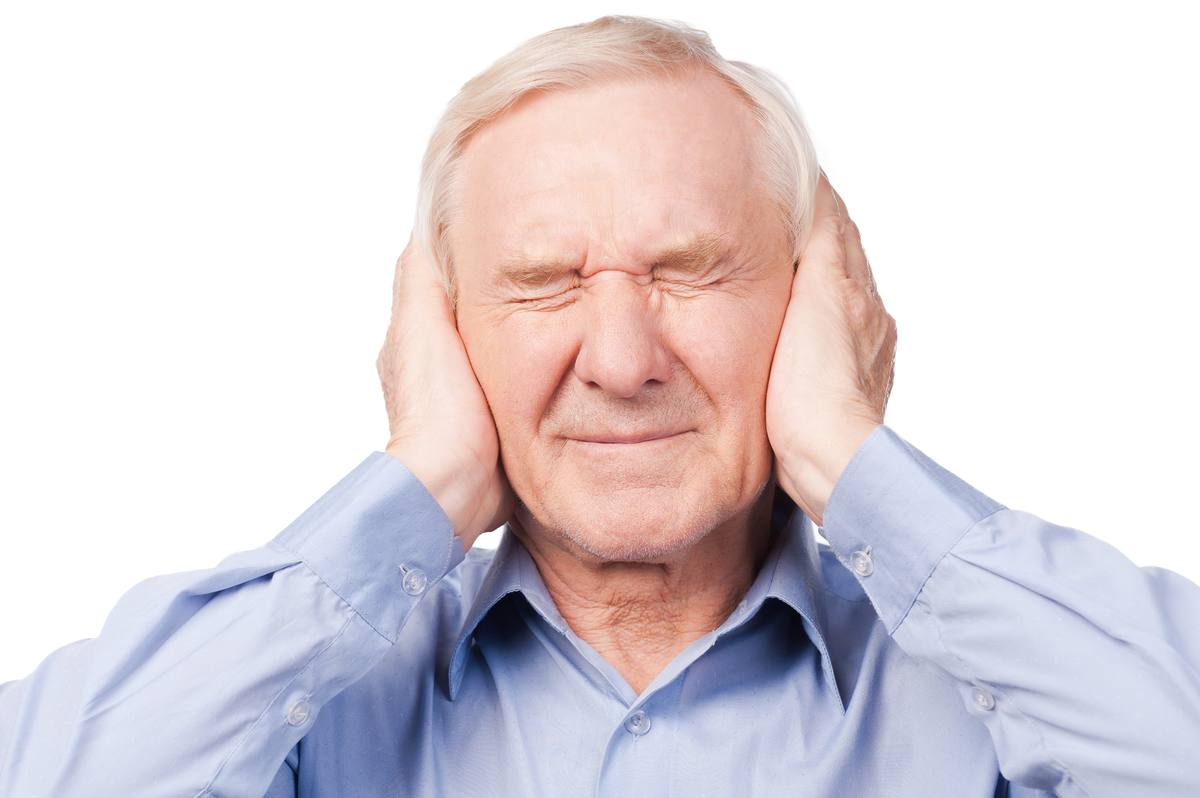
Stress and anxiety reliably worsen tinnitus by increasing neural excitability in the auditory cortex.
Lifestyle Strategies That Directly Reduce Tinnitus Severity
Sound Therapy and White Noise
Since tinnitus is partly a brain phenomenon — the auditory cortex filling in "missing" sound information — providing gentle background sound can reduce the contrast that makes tinnitus perceptible. White noise machines, nature sounds, or low-volume music can significantly reduce the distress caused by tinnitus, particularly at night. Sound therapy doesn't cure tinnitus but meaningfully reduces its impact on daily life.
Cognitive Behavioral Therapy (CBT) for Tinnitus
CBT for tinnitus is currently the most evidence-based psychological intervention for tinnitus distress. It works by changing the emotional and cognitive responses to the sound rather than the sound itself — reducing the hypervigilance and anxiety that amplify tinnitus perception. Several randomized controlled trials have shown significant reductions in tinnitus-related distress and quality of life improvements with CBT.
Regular Aerobic Exercise
Regular moderate-intensity aerobic exercise supports cochlear health through multiple pathways: it improves cardiovascular function and inner ear blood supply, reduces systemic inflammation, lowers cortisol (which amplifies tinnitus), and improves sleep quality. Studies comparing active versus sedentary older adults consistently find lower rates of significant tinnitus in physically active populations.
Stress Reduction Is Non-Negotiable
The relationship between stress and tinnitus severity is well-documented and bidirectional: stress worsens tinnitus, and tinnitus causes stress, creating a vicious cycle. Breaking this cycle requires active stress management. Practices with the strongest evidence include progressive muscle relaxation, mindfulness-based stress reduction (MBSR), and diaphragmatic breathing. Even 10-15 minutes of daily practice produces measurable reductions in tinnitus-related distress within 4-8 weeks.

Sound therapy and white noise can significantly reduce the contrast that makes tinnitus perceptible.
Protecting Your Hearing Going Forward
Prevention is always more effective than treatment when it comes to hearing loss and tinnitus. The most impactful protective measures are straightforward but frequently ignored.
- Use hearing protection consistently in environments above 85 decibels — concerts, power tools, lawn equipment, sporting events
- Follow the 60/60 rule for headphones: no more than 60% volume for no more than 60 minutes at a time
- Manage cardiovascular risk factors — high blood pressure and poor circulation are major drivers of cochlear damage
- Review medications with your doctor if you notice hearing changes — many ototoxic drugs have safer alternatives
- Get regular hearing checks after 50 — early detection of hearing decline allows earlier intervention
- Maintain nutritional adequacy in zinc, B12, folate and magnesium — these are the most commonly deficient nutrients in tinnitus sufferers